
- News · Education
- Estimated reading time:3 min read
How Stoify Connects GDPR Cookie Consent With GA4-Ready Storefront Analytics
- By Stoify
Stoify now pairs a native GDPR cookie consent module with storefront Google tag support, giving merchants a cleaner way to manage privacy messaging and analytics from the same workspace.
Share this page
Storefront analytics and GDPR consent often get handled as two separate jobs. One sits with marketing, the other sits with compliance, and the storefront itself becomes the place where both decisions show up without really being managed together.
Stoify is moving in a different direction. The latest product work connects a native analytics module with a native cookie consent module so merchants can keep Google tag setup, visitor messaging, and storefront operations closer together.
What changed in Stoify
The recent Stoify change set landed in two connected steps.
First, Stoify introduced an analytics module that lets teams enable analytics per site, save a Google tag ID from dashboard settings, and inject storefront tracking without pushing setup into a separate integration layer.
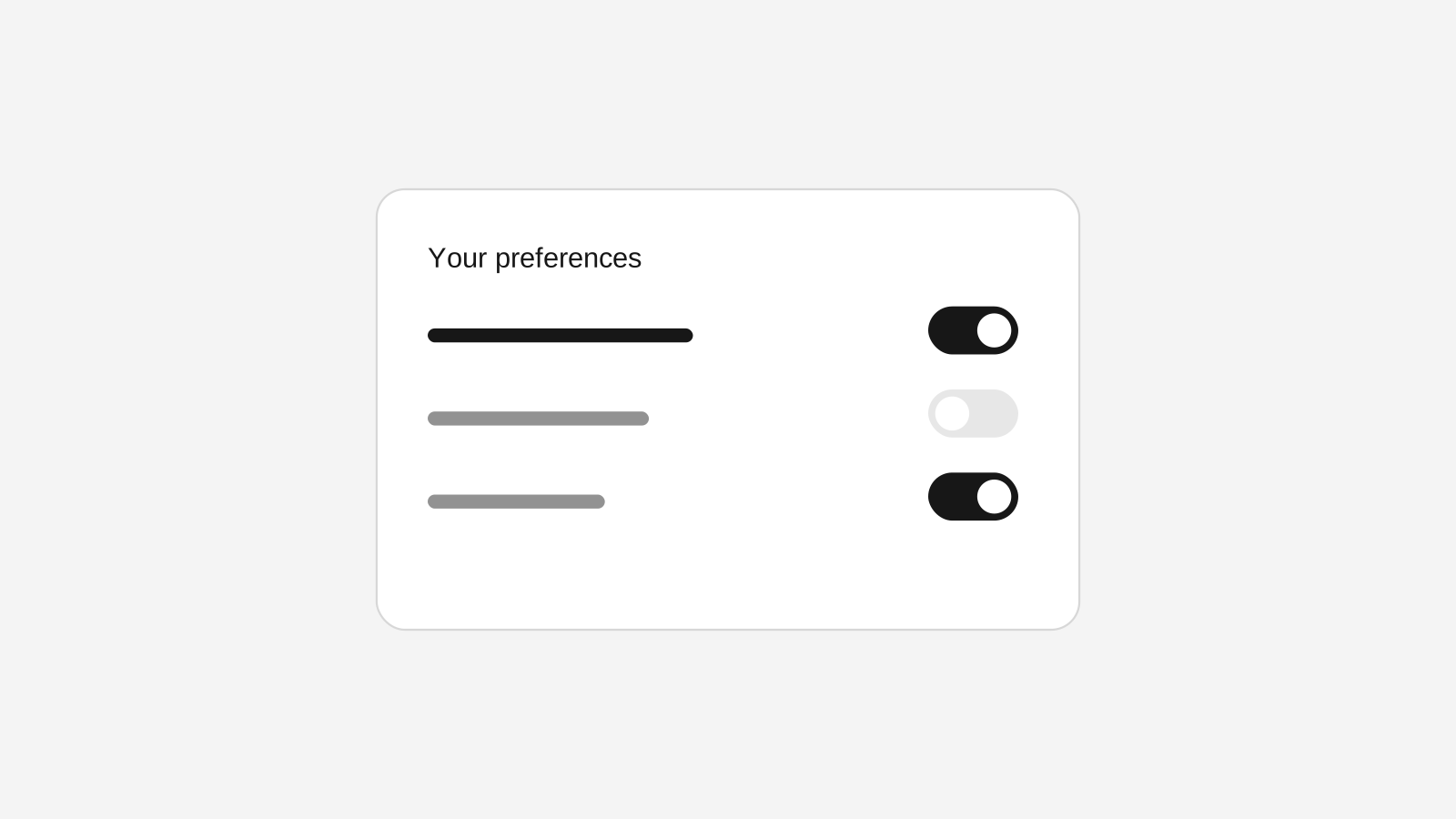
Then Stoify added a GDPR-focused cookie consent module for the storefront. That release introduced a configurable consent banner, explicit accept and decline actions, one-year cookie persistence, and the ability to fully enable or disable the module per site. Follow-up changes also surfaced cookie consent more clearly in the sidebar and improved banner accessibility with better labelling and cookie-handling logic.
That sequence matters because it shows the product direction clearly. Stoify is not treating compliance and measurement as unrelated extras. It is building both into the same operational surface.
Why this matters for GA4-ready storefronts
A lot of merchants want the visibility that comes with Google Analytics 4, but they do not want the setup to become another fragmented project. They need a cleaner path to add Google tag tracking, understand storefront behaviour, and make sure customer-facing consent is visible rather than assumed.
Stoify helps by keeping both workflows close to the storefront:
- Analytics can be enabled as a site module.
- A Google tag ID can be saved directly in Stoify.
- Cookie consent copy can be customised per site.
- Shoppers get a clear Accept or Decline choice.
- Consent decisions persist for 365 days instead of being forgotten on the next page load.
This does not turn privacy into a checkbox. It makes privacy easier to manage as part of normal storefront operations.
Why native modules create better operating clarity
One of the recurring problems with ecommerce tooling is that every important workflow ends up scattered across a stack of loosely connected services. A store owner updates products in one system, turns on analytics in another, edits privacy messaging somewhere else, and hopes the customer experience still feels coherent.
Stoify's module model is trying to reduce that drift. Reviews, analytics, and cookie consent can live in the same product language, the same dashboard structure, and the same storefront lifecycle. That gives smaller teams a more readable way to grow.
When the operating model is calmer, it becomes easier to answer practical questions:
- Is analytics enabled on this storefront yet?
- Is the Google tag configured correctly?
- Does the site show a consent banner with the right message?
- Can the merchant turn the module off entirely if they need to?
That kind of clarity sounds small until a team is shipping quickly. Then it becomes one of the main things that keeps the stack manageable.
The real Stoify story here
The interesting part of this release is not only that Stoify added cookie consent or analytics. Plenty of platforms can claim both. The stronger story is that Stoify is making those workflows feel like part of one system rather than part of a patchwork.
The analytics module gives merchants a direct way to add Google tag support. The cookie consent module gives them a direct way to present consent choices and customise the message customers see. Together, they create a better foundation for storefront teams that want measurement without losing operational clarity.
A better foundation for growth and trust
Stoify is at its best when product decisions reduce friction for merchants without flattening the customer experience. Native GDPR cookie consent and GA4-ready analytics fit that goal well. They help stores measure behaviour, communicate more clearly, and keep important settings tied to the storefront instead of buried in disconnected tooling.
For merchants building on Stoify, that is the bigger win. Growth work and trust work no longer need to start from separate places.
Continue exploring
Related Stoify articles and feature pages connected to this topic.
Compliance
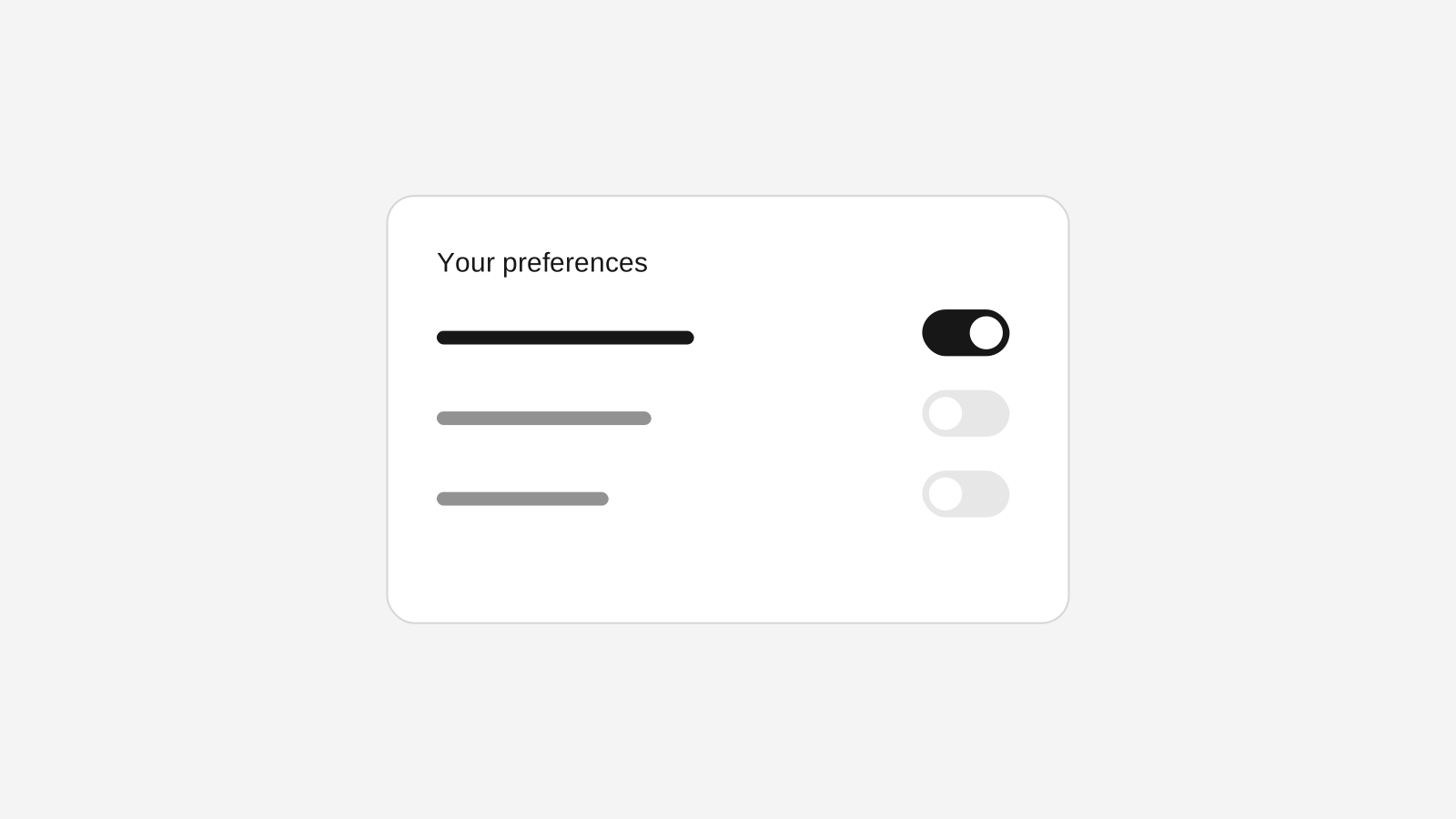
GDPR cookie consent for GA4-ready storefront analytics
Add a native cookie consent banner to Stoify storefronts, customise the message per site, and support clearer GDPR-friendly analytics setup alongside Google tag tracking.
Analytics
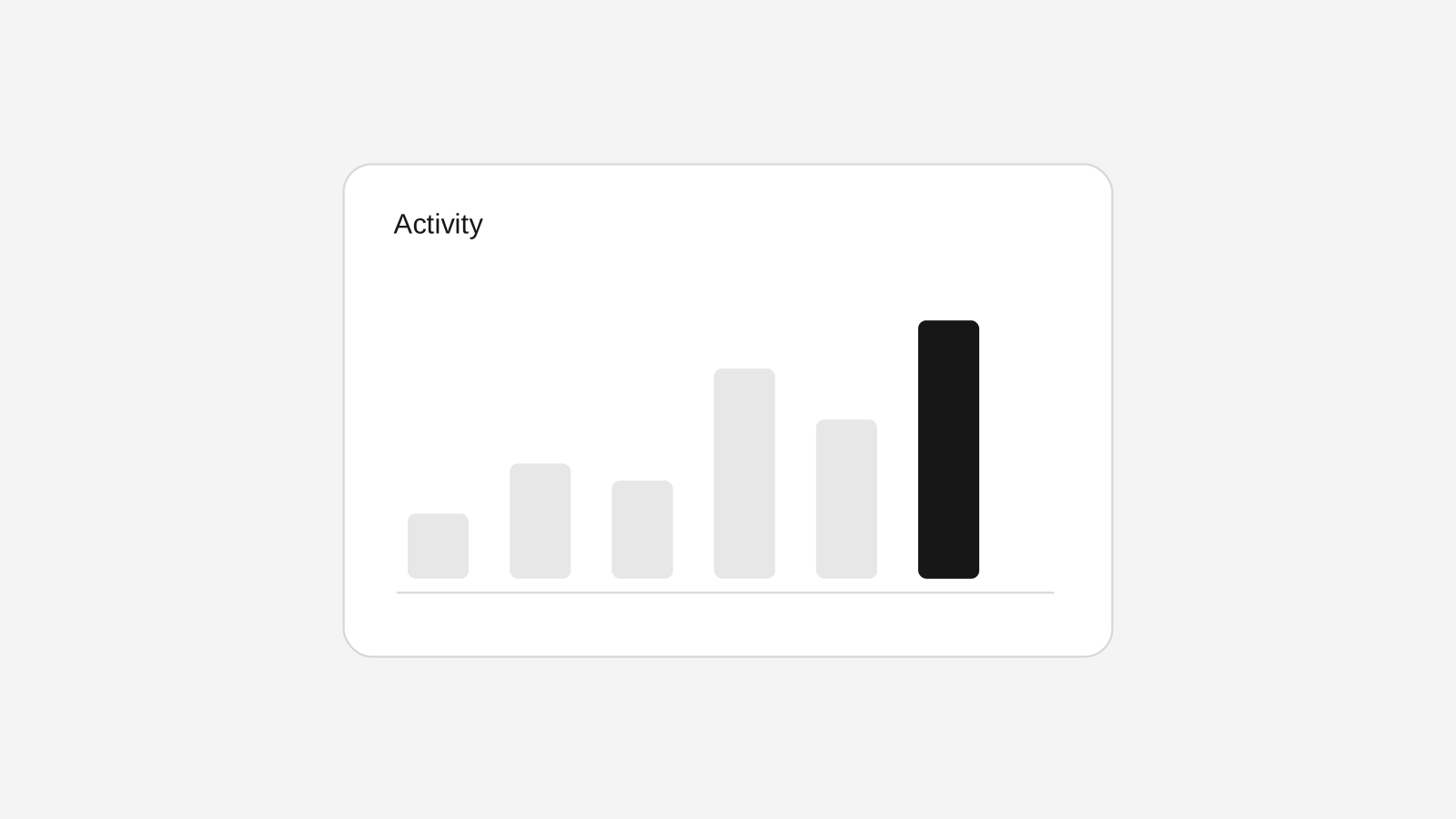
Storefront analytics module with Google tag support
Enable analytics per site, connect a Google tag, and keep storefront measurement closer to the workflow that changes products, pages, and conversion paths.