- News
- Product
A safer pause button for storefront operations
Maintenance mode gives Stoify merchants a branded, scheduled storefront pause while dashboards and protected previews stay available.
Blog
Deep dives on storefront UX, conversion, and the systems behind modern selling. 30 published posts in the archive.
Maintenance mode gives Stoify merchants a branded, scheduled storefront pause while dashboards and protected previews stay available.
Everything else published on the Stoify blog.

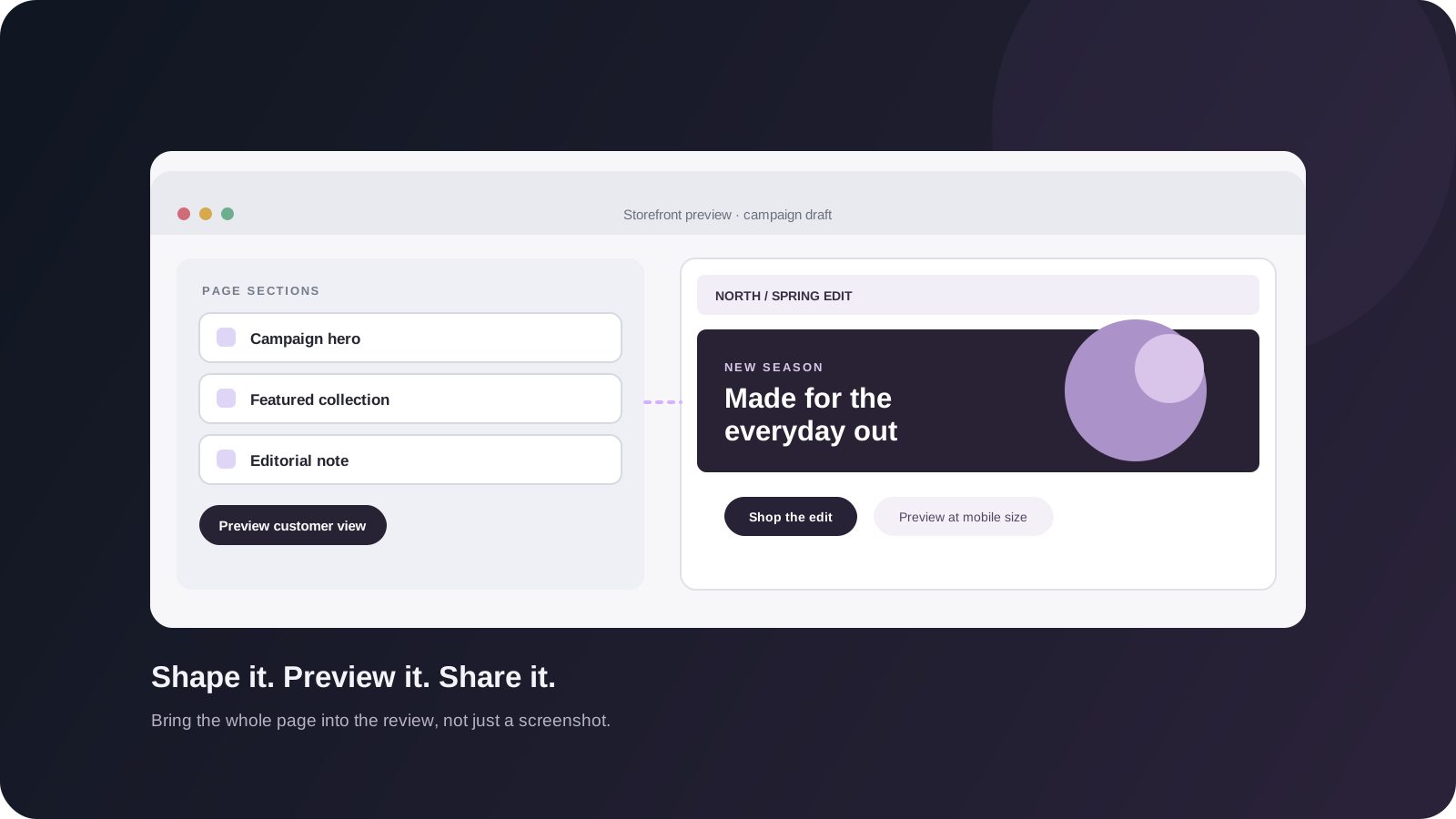
Stoify's storefront builder now lets teams review customer account states, temporary carts, checkout layouts, and global storefront surfaces without touching production data.
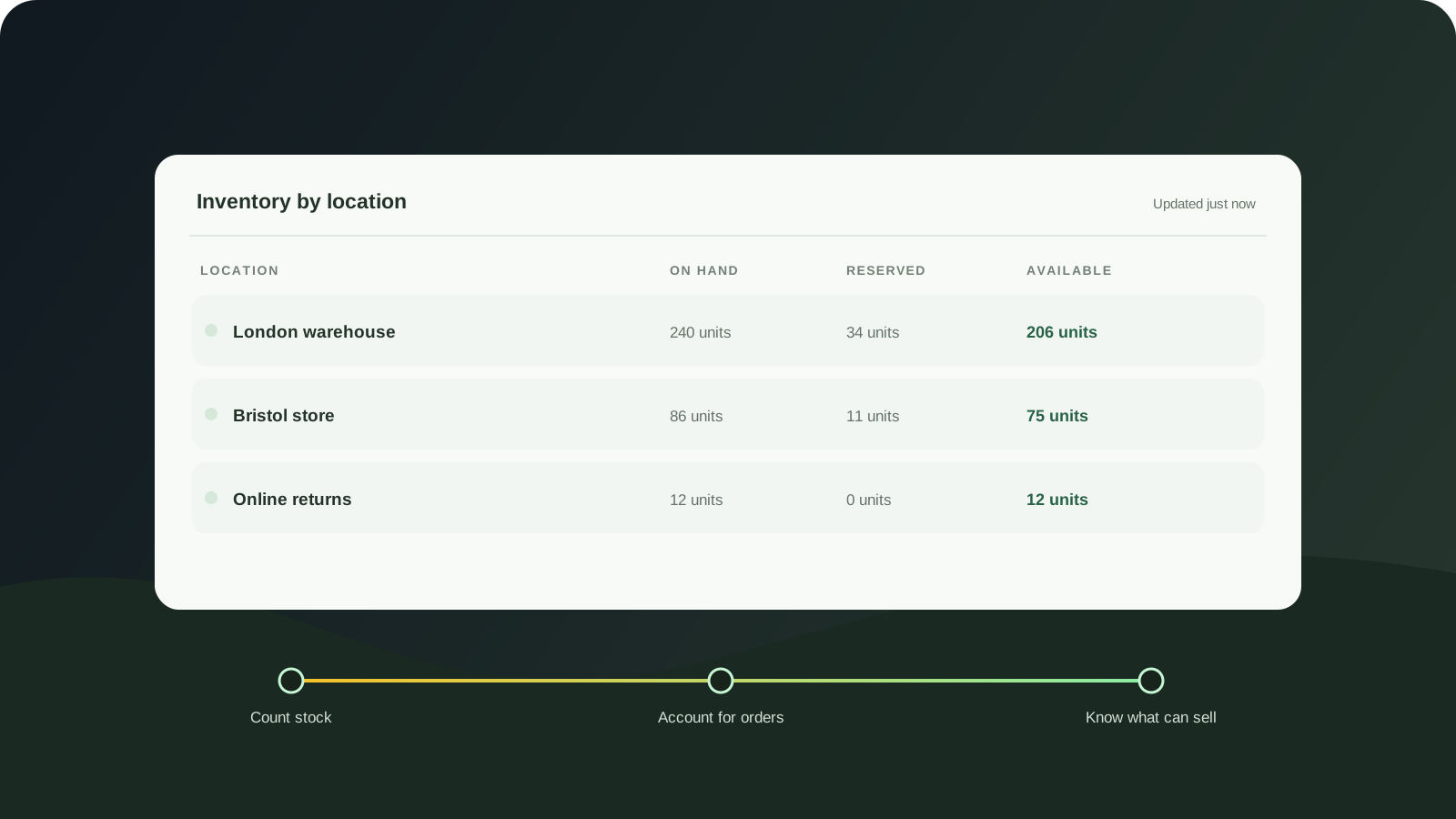
Scan general products, books, and physical media, compare smart catalogue matches, and create a stocked Stoify product after confirmation.

Understand what counts toward custom media storage, how plan quotas scale, and what happens when a site reaches its limit.

A focused asset desk for finding, previewing, reusing, and safely cleaning up every file behind a storefront.

How Stoify turns a client brand brief into a reviewable JSON theme package that can be previewed, applied, and reused privately.

Why Stoify's new Enterprise Code mode treats theme files as a controlled source surface that stays connected to the visual builder and live storefront preview.
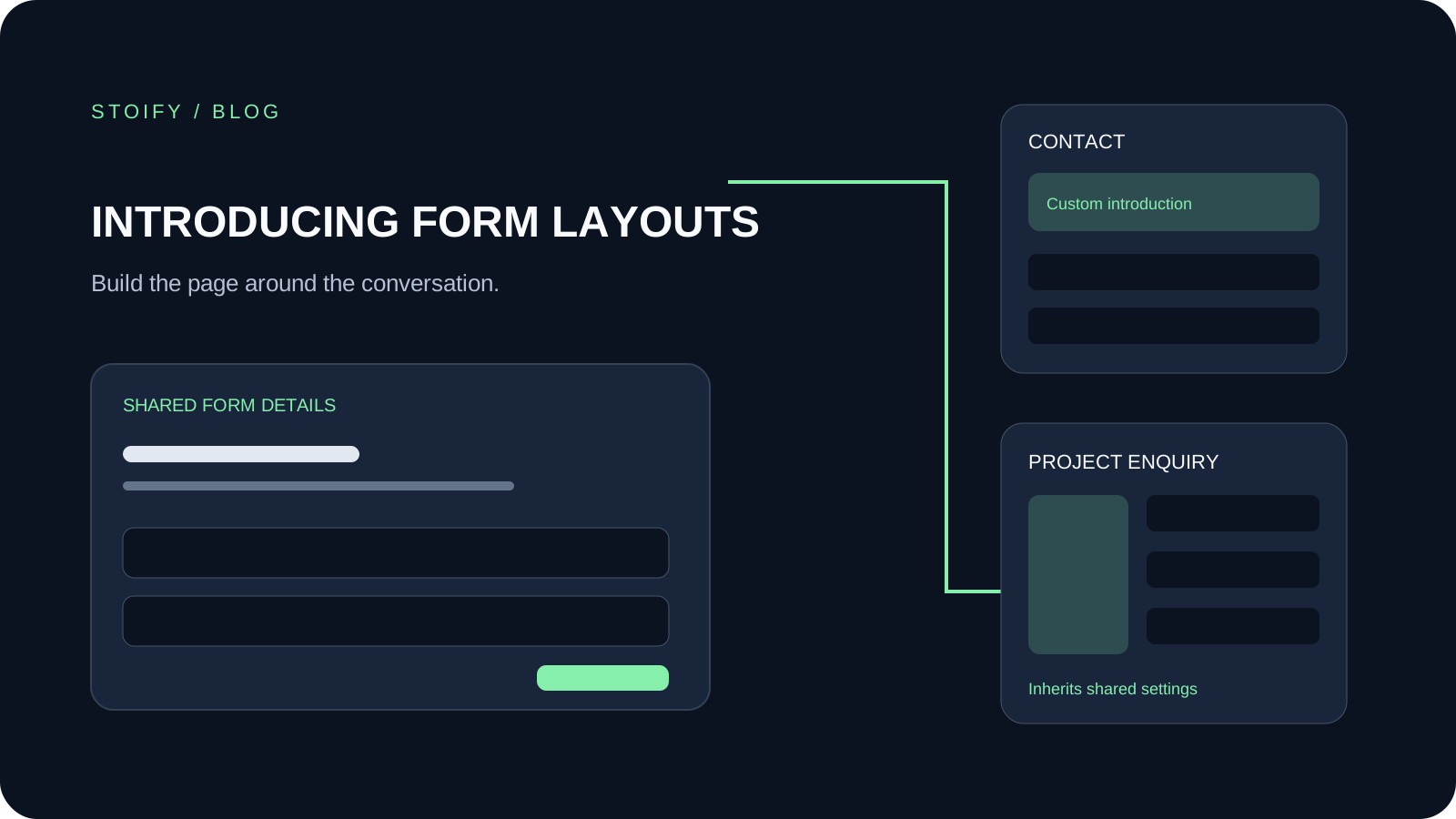
Stoify now includes an optional Forms module for building storefront forms, reviewing submissions, and drawing visual email follow-up workflows.
Stoify now includes an optional Events module for publishing gatherings, selling ticket tiers, registering attendees, and sending timely customer reminders.
Give shoppers a respectful way to hear when the exact product variant they want is available again.

Stoify's API release brings secure API key management, public catalog endpoints, a practical reference surface, and plan-aware rate limits into one calmer integration workflow.

Stoify now supports digital products with native file uploads, owned download access, an account downloads hub, and secure storefront delivery for completed orders.

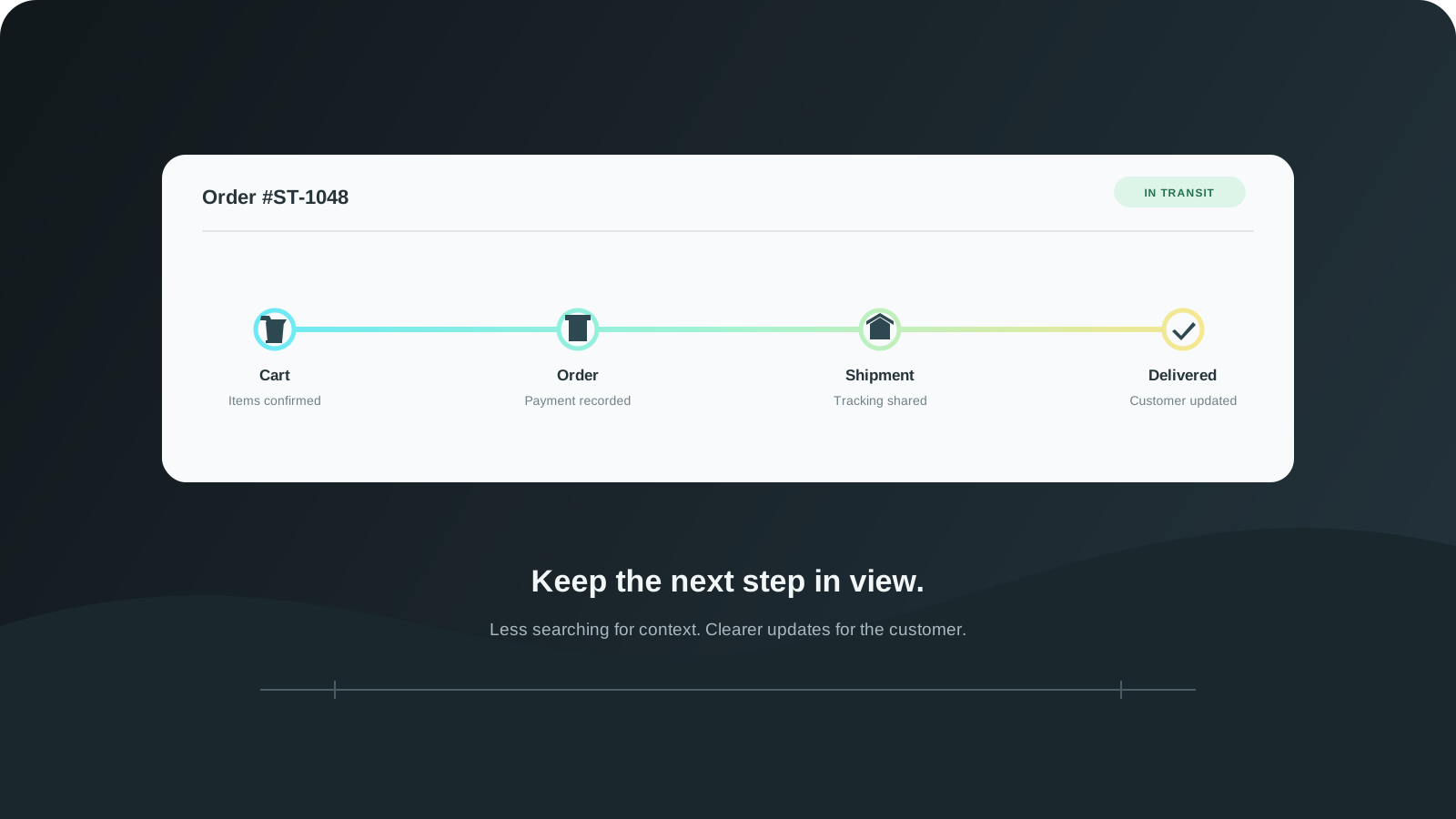
Stoify’s new shipment detail page gives merchants a focused view of order context, shipment activity, and tracking so fulfillment does not live only inside the order screen.

Stoify now lets merchants configure ordered checkout consent checkboxes for privacy, terms, and policy acknowledgements directly in the checkout workflow.

Stoify’s invoice PDFs make order history easier to use by giving customers a direct PDF view and giving support a cleaner reference point for billing and fulfilment questions.

Stoify has expanded its wishlist workflow with a dedicated customer account page, storefront header access, and quick add behavior that respects assigned-location stock.

Stoify now supports customer wishlists, giving logged-in shoppers a way to save product variants while merchants track purchase intent from the dashboard.

Stoify now includes a loyalty points module for earning, tracking, and redeeming customer points directly inside checkout, orders, invoices, and customer records.

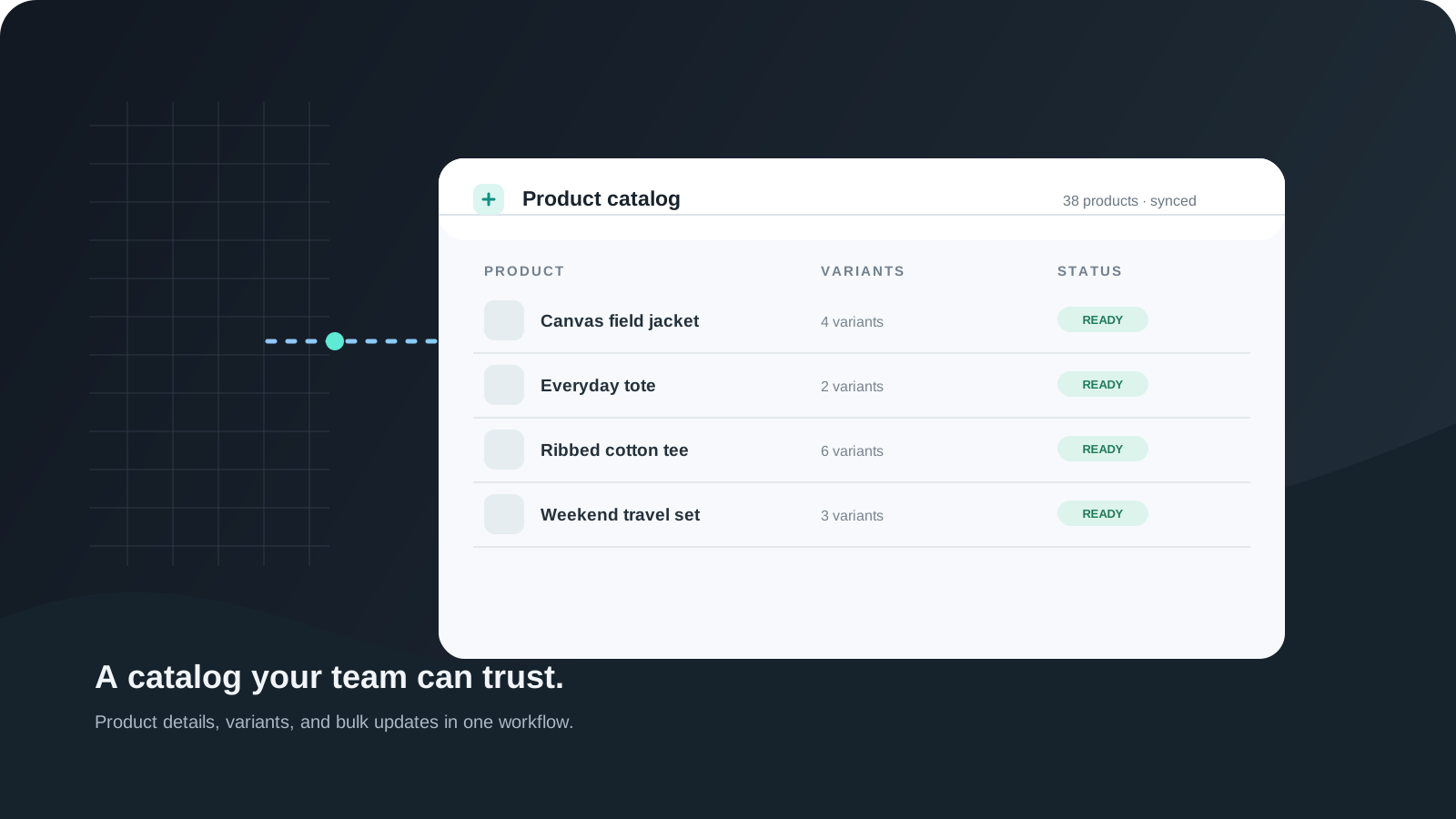
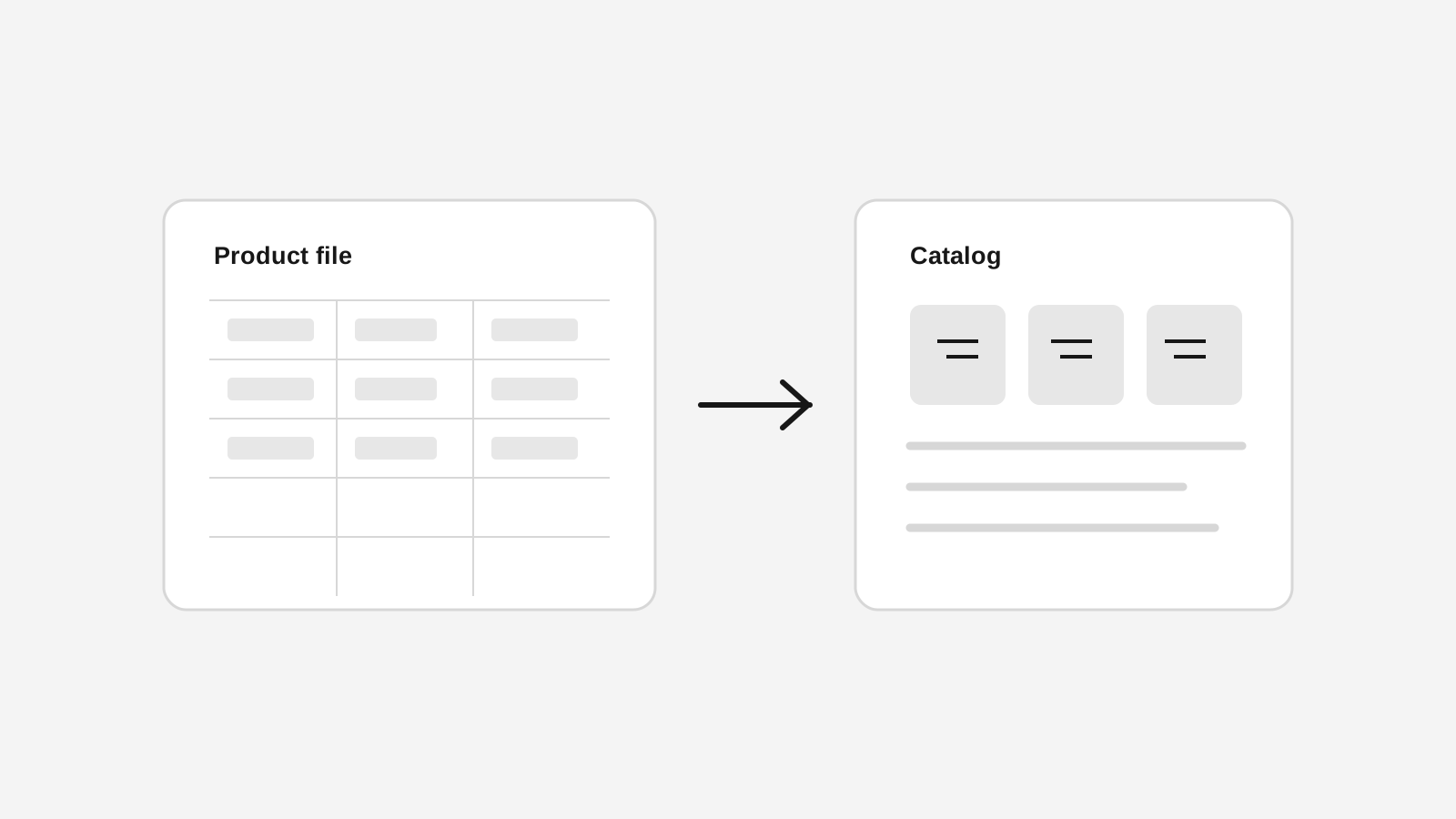
Stoify now includes reusable CSV and XLSX import and export controls for products, making it easier to move catalog data in and out without turning day-to-day merchandising into spreadsheet cleanup.

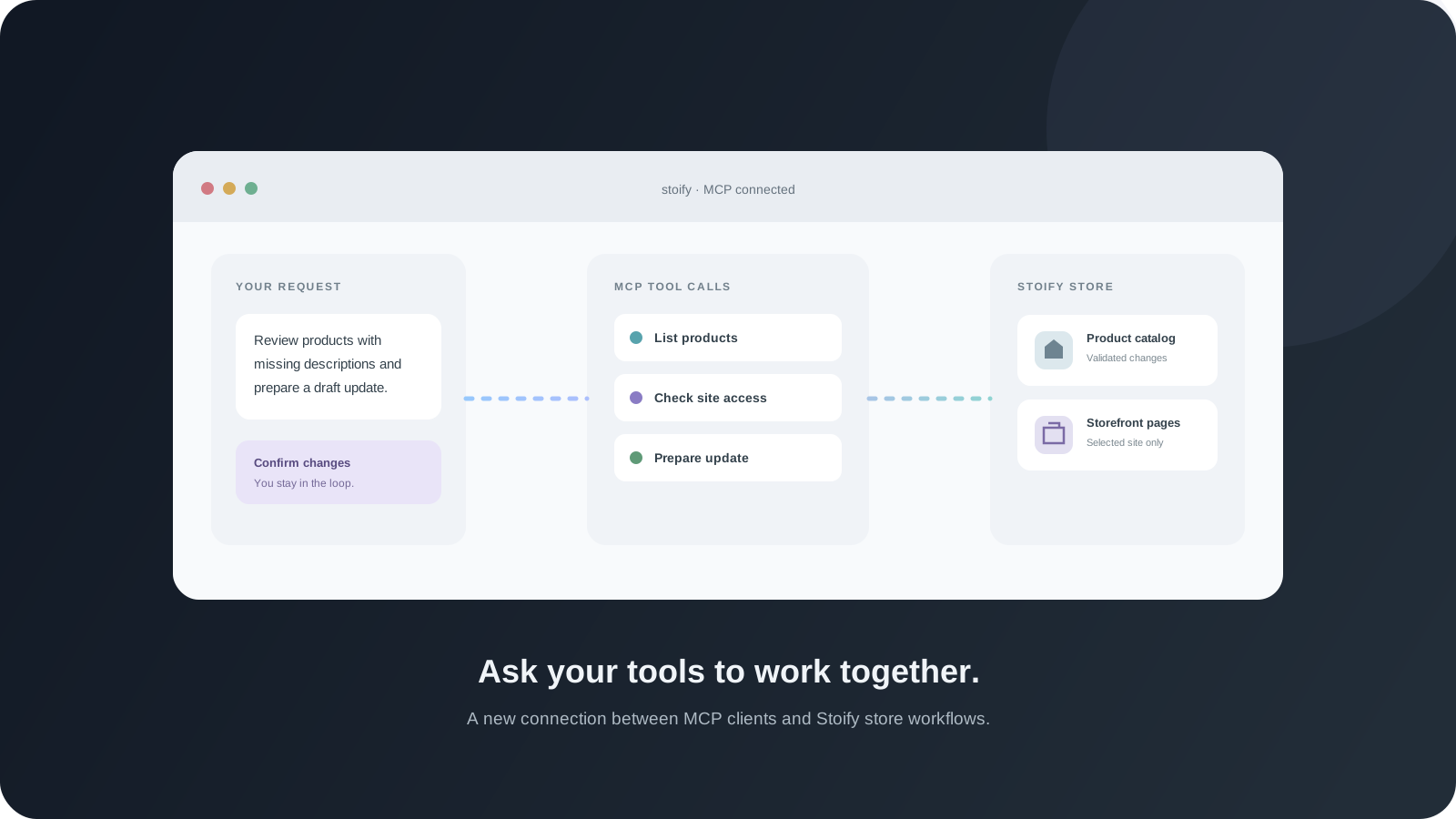
In an agentic world, ecommerce teams need a commerce system with clear catalog, inventory, storefront, SEO, cart, and API ground truth for AI to actually help.

Smaller improvements to reviews: verified purchases, analytics events, and an improved storefront experience.

Stoify now pairs a native GDPR cookie consent module with storefront Google tag support, giving merchants a cleaner way to manage privacy messaging and analytics from the same workspace.

Stoify now includes a native analytics module with Google tag support so teams can enable storefront tracking per site without pushing measurement into a separate setup layer.

Stoify now includes a native reviews module with verified purchase badges and Google Analytics tracking so teams can measure review activity alongside conversion behavior.

Small ecommerce teams usually need less platform sprawl and more operating clarity. Compare catalog, inventory, checkout, customer, and SEO workflows before choosing a platform.

What growing ecommerce teams should compare when evaluating a Shopify alternative, from catalog and inventory operations to storefront control, SEO, checkout, and integration overhead.

Cart recovery works better when it is treated as part of the storefront experience, not just a disconnected email tactic. Here is how better cart design, visibility, and follow-up improve ecommerce conversion.

Explore how user experience decisions across navigation, layout, and interaction design directly influence ecommerce conversions, trust, and long-term customer retention.

How faster rendering, better metadata, structured data, and crawl-friendly architecture in Next.js can help ecommerce brands win more traffic and convert more revenue.

A look at the Stoify approach to ecommerce, from product variants and digital products to live carts, multi-location stock, SEO controls, and connected customer modules.
Power the next generation of storefronts with Stoify. Start for free, launch faster, and scale without the usual complexity.